


I love variety in my flyfishing and as a result I have fished a wide range of waters both abroad and in the UK. However, some of my favourite waters are tiny streams, some of which are so small and overgrown that they are neglected by other anglers. Why do I love Lilliputian brooks?
- I love the challenge of casting in difficult situations, frustrating as it may be at times.
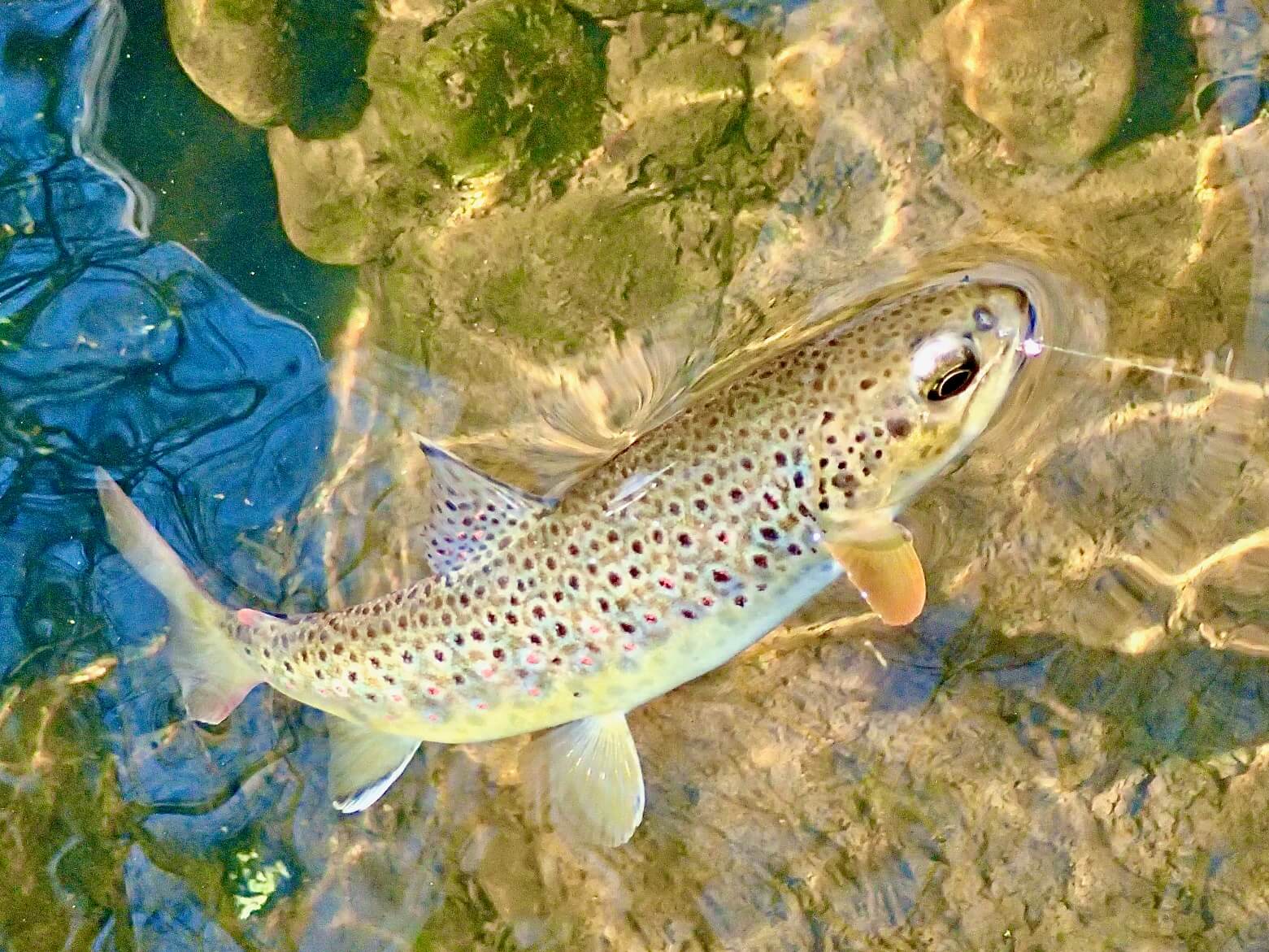
- I love the fact that the fish are all truly wild: no tame, mangle-finned farmed fish in these waters.
- I love the solitude. I rarely ever see another angler on most of these waters.
- I love the light-line tactics needed to avoid spooking the fish at the close ranges involved.
- I love the fact that these streams usually have a huge number of fish-holding features crammed into a small space, submerged alder roots, boulders, submerged woody debris, etcetera.

The two most important factors required to achieve success when fishing in Lilliput are a stealthy approach and a high level of casting skills. First and foremost a stealthy approach is essential since most small stream fishing is done at close range. It is impossible to catch fish that have bolted for cover. Secondly precision casting, often in awkward places is needed, since many fish-holding spots are very small, or tight against tree roots, deep under overhanging vegetation or tight against undercut banks. A wide range of casting techniques need to be applied, standard roll casts, slack-line roll casts, oval/Belgium casts (both overhand and underhand), water-haul casts, bow and arrow casts, Italian style totally under the tip casts and other unnamed, improvised casts. It's well worth watching the excellent casting videos that Tom has produced. I was reminded of this a couple of days before writing this. I had taken a close friend to fish a tiny, heavily wooded, North Yorkshire Moors stream. We fished together. The beck was very low and clear resulting in very spooky fish and the need to fish at relatively long range. Despite my spending most of our 4 hours coaching my friend and trying to get him into a fish, he blanked. The reasons were twofold; poor rod tracking which resulted in a lack of accuracy and open loops, plus mistimed power application which resulted in poor leader turn-over. Both of these faults not only limited casting accuracy but also created too much slack line which meant that he failed to hook the 8 fish that rose to his dry fly. Meanwhile I landed a dozen feisty wild trout up to 10" long.

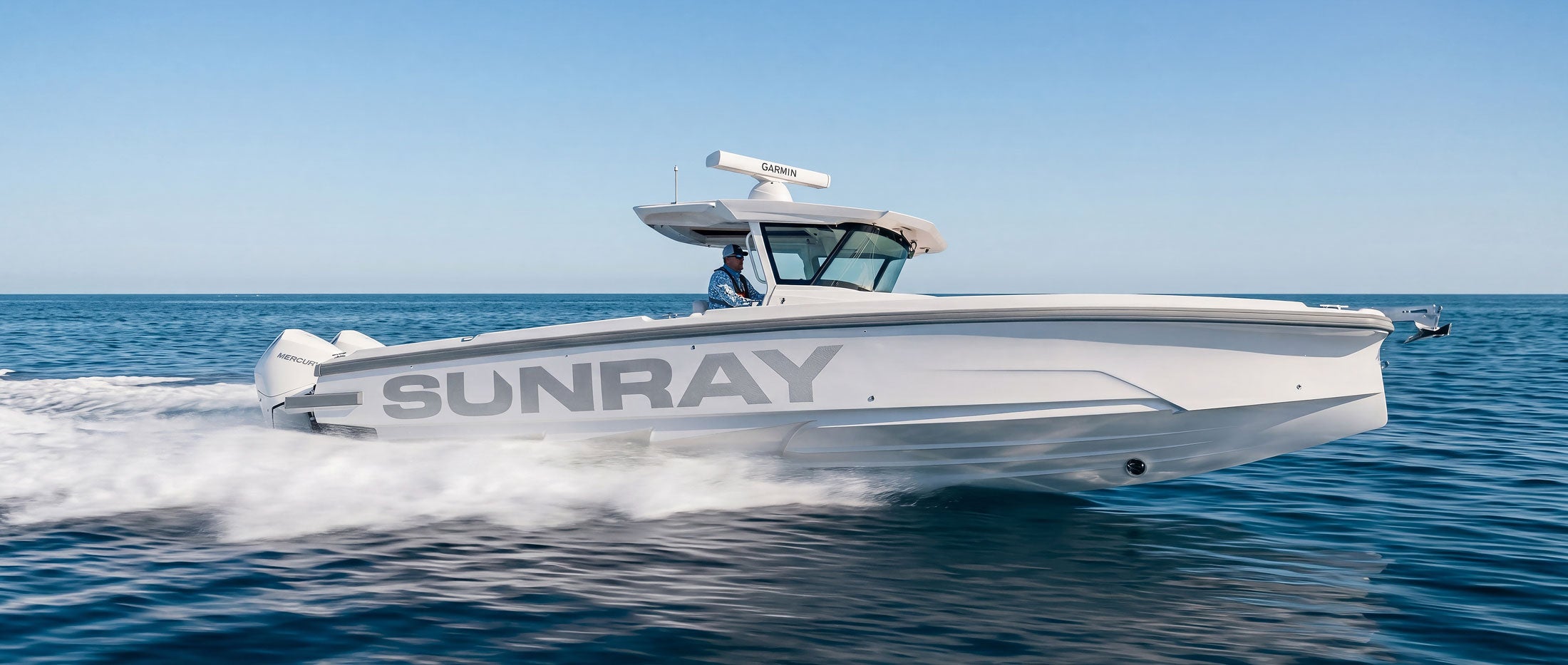
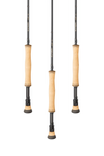
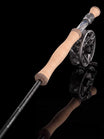
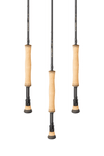
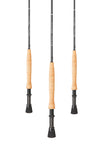
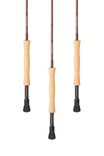
Having the right equipment is essential to facilitate good casting in the tight confines of most small brooks. In all but the most open streams short rods, 5' to a maximum of 8' are the order of the day. Light lines, 1 to 3-weight avoid spooking fish in shallow, clear, water. Leaders need to be as long as is practical, typically anything from 7' to ideally 9+'. Two of my favourite rods are the 6' 4" 2-weight Sunray California glass rod and my old 7' 6" 2-weight Sunray Microlite carbon fibre rod (now replaced by the Microlite GT). Both rods roll cast very well, whilst the glass rod is pretty resistant to the inevitable clash with unseen branches of low overhanging trees and is soft enough to absorb the plunges of a good fish when using light tippet. Being an advocate of the Italian style of casting I usually underline my rods by at least one line weight, but in the really tight streams I opt for a 2-weight SC Micro-thin/Stuart Crofts' line which loads the rod effectively at close range. Some anglers may even prefer to use a line weight heavier than that designated for the rod. Leaders want to be supple and coil-free: Sunray Straight 'n' Soft leaders are a decent choice. Tippet strength/diameter depends very much on the size of fish expected and how snaggy the beck is. I use tippets ranging from 0.11mm/6x/3lb to 4x/0.16mm/6lb. Whilst on most streams a 14" long/1lb trout or grayling is a big one I have caught trout up to just short of 5lb and grayling just over 2lb from surprisingly tiny streams.

A versatile and easily adaptable approach is needed when fishing these streams. My preferred method is dry fly, but there are many situations that demand a range of nymphing techniques, including Indicator Nymphing with a New Zealand Wool Indicator, using a blob of buoyant Float Dough, Klink and Dink/Duo, short-line Euronymphing, sight nymphing and twitching a nymph back through slow pools. Don't discount the use of small streamers such as Martin's Minnows in sizes 14 and 16 as even small trout are highly predatory.

Fly choice is usually less important than presentation and stealth. My favourite small stream dry flies are:
- A size 16 or 14 Elk Hair Caddis, a suitable imitation of caddis flies, stoneflies and moths that will tempt fish in shallow spots even when they are not rising.
- A size 20 to 14 Split-wing CdC IOBO Humpy which effectively imitates a wide range of terrestrial insects and upwing duns.
- A size 14 Extended-body Daddy which is another excellent pattern.